|
|
|
|
|
|
| Tourmaline Group |
|
|
|
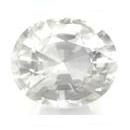
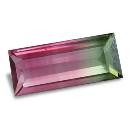
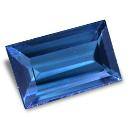
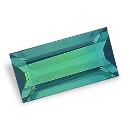
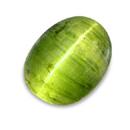
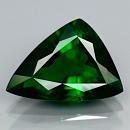
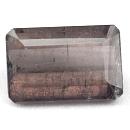
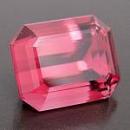
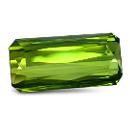
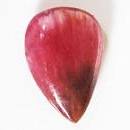
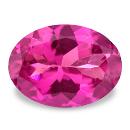
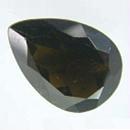
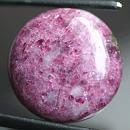
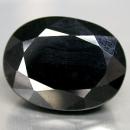
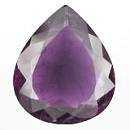
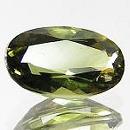
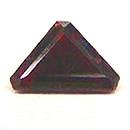
Tourmaline is a group of related minerals, all having the same basic crystal structure but varying widely in chemical composition and color. The name Tourmaline is from the Singhalese word tourmali, meaning mixed colored stones because Tourmaline is found in so many different colors it was often confused with other gem types. The four most common and well known varieties of Tourmaline are Elbaite, Schorl, Dravite and Uvite and can be distinguished by their colors and transparencies. Most gem Tourmalines are the variety Elbaite. The most popular and well known Tourmaline is the variety Elbaite. Elbaite is the most colorful of all gems and is available in almost all the colors of the spectrum. The most well known Elbaite gems are Achroite (colorless), bi-color (usually pink or red and green, also blue and green), Indicolite (blue), Orange, Paraiba (containing copper), Rubellite (pink to red), Siberite (lavender), Verdelite (green), Watermelon (green and pink or red) and yellow. Schorl is the iron rich Tourmaline that is black and opaque. Although not that popular as a gem, it is the most common of the Tourmalines in nature and is a common accessory mineral in igneous and metamorphic rocks. Even though it is opaque and black, it can be faceted into beautiful gems and was very popular in mourning jewelry during the Victorian era. It is currently regaining popularity. Schorl is also found as the black needle-like inclusions in Quartz, known as Tourmalinated Quartz. The two other well known Tourmalines are Dravite and Uvite. Both are magnesium/iron rich members of the Tourmaline group. Although not nearly as well known as the many colors of Elbaite, Dravite and Uvite are becoming better known and are being collected as mineral specimens and gemstones. Dravite is usually light to dark brown, black or may also be colorless. Uvite is usually found in dark colors such green, yellowish brown, brown, red and black. |
|
|
|
|
|
|
|
|
|
||||
| Achroite |
|
Bi-Color |
|
Blue (Indicolite) |
|
Blue-Green | ||||
|
|
|
|
|
|
|
|
||||
|
|
|
|
|
|
|
||||
| Cat's Eye |
|
Chrome Tourmaline |
|
Dravite |
|
Elbaite | ||||
|
|
|
|
|
|
|
|
||||
|
|
|
|
|
|
|
||||
| Green (Verdelite) |
|
Indicolite (blue) |
|
Liddicoatite |
|
Mushroom | ||||
|
|
|
|
|
|
|
|
||||
|
|
|
|
|
|
|
||||
| Pink (Rubellite) |
|
Povondraite |
|
Rossmanite |
|
Rubellite (pink to red) | ||||
|
|
|
|
|
|
|
|
||||
|
|
|
|
|
|
|
||||
| Schorl |
|
Siberite (lavender) |
|
USA Tourmaline |
|
Uvite | ||||
|
|
|
|
|
|
|
|
||||
|
|
|
|
|
|
|
||||
| Verdelite (green) |
|
Watermelon |
|
|
|
|